
Custom Shopify theme vs. premium theme: which one should you actually buy?
An honest comparison of building a custom Shopify theme vs. buying a premium one. With real costs, real timelines, and the decision framework we use with clients.
Ashraful
Shopify Select Partner
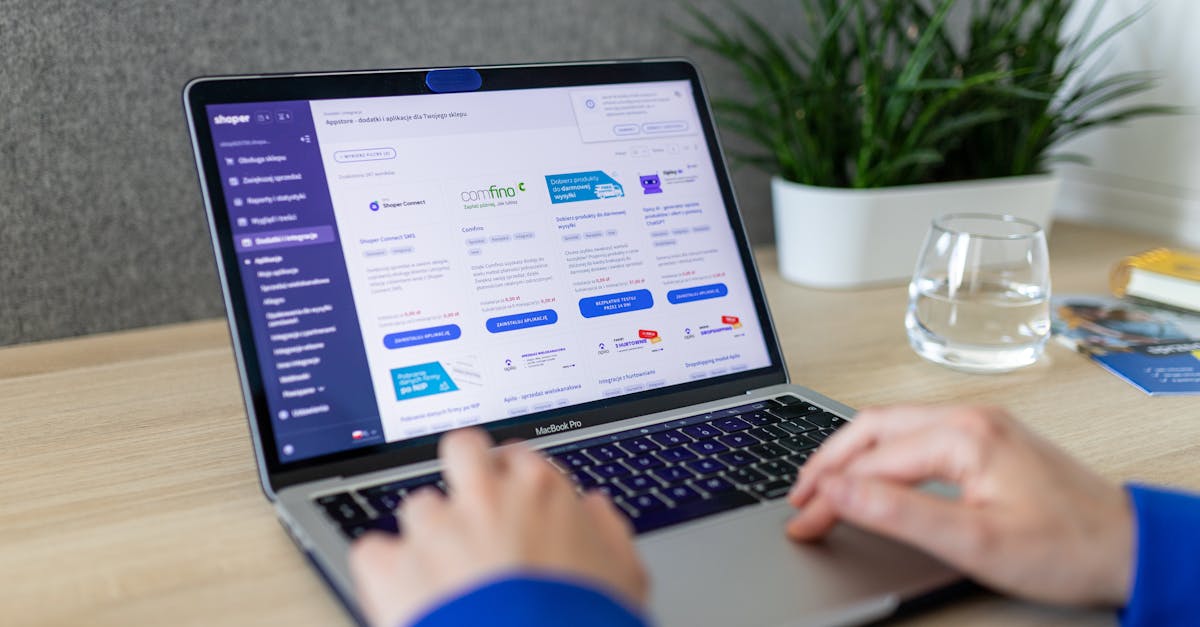
Every Shopify merchant eventually has the same question: do I just buy a premium theme, or do I get one built custom?
The honest answer depends on three things we'll walk through. Most merchants don't need custom. Some absolutely do. Here's how to tell which one you are.
The cost reality
| Premium theme | Customized premium | Fully custom | |
|---|---|---|---|
| Up-front cost | $150 – $350 | $500 – $2,500 | $3,000 – $15,000 |
| Time to launch | Same day | 1–2 weeks | 3–6 weeks |
| Future tweaks | Self-serve or $50/hr | $50–150/hr | $80–200/hr |
| Updates | Auto (theme store) | Manual | Manual |
| Re-platform friction | Low | Medium | High |
Three things people get wrong about these numbers:
- Premium themes aren't free. Even Dawn (Shopify's free theme) costs you in time-to-launch tweaks. Plan for $300–800 in customization labor on any premium theme.
- Custom themes don't depreciate. A $5,000 custom theme used for 3 years is $1,667/year. A $300 premium theme replaced every 18 months because it doesn't fit anymore is $200/year — but ongoing customization labor often closes the gap.
- Re-platform friction matters. If you ever migrate to Shopify Plus, switch to Hydrogen, or change agencies — a custom theme is portable expertise; a premium theme means starting over.
When premium wins
Pick a premium theme if at least three of these are true:
- You're under $50k/year in revenue. The labor cost of custom doesn't pencil yet. Spend $300 on Dawn or a strong premium theme, get 90% of the way there, save the budget for ads.
- Your category has a strong premium theme. Fashion has Verso. Beauty has a few. Tech accessories have Prestige. If a category-fit theme exists, it's usually cheaper to start there and tune.
- You don't have strong design opinions yet. If you can't articulate what makes your brand visually different from a competitor, a custom theme will just be a more expensive version of what you'd build with a premium theme anyway.
- Your conversion rate is normal (~2–3% on a non-luxury category). Premium themes have been A/B tested by their authors against thousands of stores. Custom themes are A/B tested by you. That's the wrong stage to be experimenting.
When custom wins
Pick custom if at least two of these apply:
- Your category has no good premium theme. B2B, wholesale, food & beverage with specific compliance needs (alcohol age-gates, supplements with FDA disclaimers), restricted-substance niches.
- Your storefront is part of your brand differentiation. Examples: highly art-directed lookbook layouts, complex configurators (build-your-own X), interactive product visualizers, multi-currency layouts with non-Latin scripts.
- You're doing $500k+/year. The math flips here. A 1% conversion rate lift on a $1M/year store pays for a $10k custom theme in a month.
- You've hit the customization ceiling on a premium theme. When your dev says "this is fighting the theme," you've already paid for custom twice over in patch labor.
The middle path almost everyone should consider
The third column above — customized premium theme — is what we actually recommend for ~60% of merchants. The pattern:
- Buy a premium theme that's 70% right for your category (~$200)
- Hire someone for a focused 1–2 week customization sprint ($1,000–$2,000)
- Live on the customized theme for 18–36 months
- Re-evaluate when you hit one of the "custom wins" triggers above
This is what we offer in our Pro plan. You get a premium theme installed and meaningfully customized — brand colors, fonts, custom hero, product card variant — for $1,499 flat.
What "custom" actually buys you
Three things that are worth paying for custom labor on, even on a premium theme:
- Lighthouse 90+ from day one. Most premium themes hit 70–85 out of the box. Getting to 90+ requires custom image handling, JS deferring, and CSS optimization — covered in our speed-fix post.
- A truly custom product page. This is where conversion happens. Standard templates work; bespoke templates win. Expect $800–2,000 for a fully custom product page on top of an off-the-shelf theme.
- Accessibility (WCAG AA). Most premium themes fail several WCAG criteria out of the box. If you sell in Europe, sell to government / education buyers, or care about accessibility lawsuits in the US, this isn't optional.
Decision framework
If you remember nothing else:
Under $100k revenue → premium theme + minor tweaks.
$100k–$1M → customized premium theme (the middle option).
Over $1M, or differentiated brand → custom theme.
Outliers exist — a $50k niche brand with strong design opinions might justify custom; a $5M generic store might be fine with premium. But that's the heuristic for 90% of cases.
If you want a sanity check on which side of the line you're on, send us your store and we'll tell you honestly which path makes sense. We sell both — premium themes (Verso) and custom builds — so we have no incentive to push you toward one or the other.
About the author
Ashraful
Shopify Select Partner, Top Rated Plus on Upwork. 700+ Shopify projects shipped over 7+ years — themes, apps, migrations, speed, Hydrogen. Solo shop, no agency middlemen.
Read the full storyWorking on a Shopify project?
That's what I do every day. Pick whichever feels lower-friction.
More from the blog
Keep reading
Custom Shopify app vs. App Store: when to build vs. buy
Building a custom Shopify app costs $4k–$20k. Installing one from the App Store costs $9–$99/month. Here's the real decision framework.
Read
Migrating from WooCommerce to Shopify in under 10 days: the real playbook
Step-by-step: how to move from WooCommerce to Shopify without losing orders, SEO, or customer trust. The exact playbook we use on every migration.
Read
Why your Shopify store is slow (and the 4 fixes that actually work)
Most Shopify speed advice is fluff. Here are the 4 fixes that actually move Lighthouse scores — and the popular ones that don't.
Read